


Private jet charter in Santiago de Compostela
A light jet that leaves a London airfield after breakfast is on the ground in Galicia in about 1 hour 50 minutes, early enough to stand in the square in front of the cathedral before the pilgrims' Mass at midday. Private Jets UK builds each Santiago charter around three things, the hour of arrival, the date in the calendar and what you plan to do once the wheels are down: the old town, a stage of the Camino, the estuaries of the Rías Baixas or the wine canyons of the interior. Our customers have access to 6,500 jets of all types and configurations available for rent. We will help you choose the best option based on your needs and objectives. Our catalog contains the models from the largest manufacturers: Gulfstream, Dassault, Embraer, Airbus, Boeing, Bombardier, Learjet, Cessna, Beechcraft, Pilatus, HondaJet, etc. We have established partnerships with the world's largest airlines and VIP terminals, which means we can offer you favourable flight conditions and a high level of service. Our experts will manage the organization of your flight - starting with paperwork, agreements, etc., and ending with a transfer and meeting at the airport. Our company provides a full range of business aviation and concierge services. Santiago-Rosalía de Castro airport lies about 10 km north-east of the city, has a runway of more than 3,100 m and is listed as open round the clock with customs and immigration, whereas Vigo and A Coruña close shortly after half past midnight. Handling is compulsory for every flight, private ones included, so the choice of handler comes first. After that, three things shape a trip: the Atlantic weather, the fog behind the Category III landing system on the main runway, and the feast of the Apostle on 25 July.

At your request, the aviation consultants of Private Jets UK will help you choose the jet with the suitable technical parameters (production year, flight hours, and home base). The cost of the private jet charter in Santiago de Compostela depends on many factors, such as the model of the business jet, the number of passengers, departure and destination airports, type of flight, duration of parking, additional services, etc. Therefore, we calculate the price of each order individually taking into account your wishes. You can use an online calculator to get an instant charter quote. Please indicate your real contact details to get the final calculation.
You can calculate the cost of your flight in several ways:
- using an online calculator on the website (however, it shows only the approximate price);
- via Messenger (WhatsApp or Telegram);
- by landline or cell phone;
- via e-mail (jets@private-jets.co.uk).
Please note that the above-mentioned price is indicative only. It is calculated on this basis: a departure from Farnborough, a Cessna Citation CJ3+ and two passengers aboard. If you want to get a personal quote, just fill out the online booking form below. Our aviation consultant will make the calculation within 20 minutes, and then contact you to specify the details of the flight.
How long does it take to fly to Santiago de Compostela (SCQ)?
Just under two hours is the figure to hold: 1 hour 50 minutes from Farnborough in a light jet, a few minutes either way from the other London fields, and 2 hours 10 minutes from Glasgow in a super-midsize. Galicia keeps the clock one hour ahead of Britain all year, because both countries change their clocks on the same weekends, so a seven o'clock departure lands shortly before ten by the Spanish clock. At 572 to 840 nautical miles from the British fields we use, Santiago is a light-jet sector from the south of England and a midsize job from the Midlands and the north. The table gives the sector from each field.
| Route | Aircraft | Flying time | Routing |
|---|---|---|---|
| Cardiff - Santiago de Compostela 572 nm / 1,059 km |
Cessna Citation CJ3+ | about 1 h 45 min | Nonstop |
| Bristol - Santiago de Compostela 582 nm / 1,078 km |
Cessna Citation CJ3+ | about 1 h 45 min | Nonstop |
| Southampton - Santiago de Compostela 585 nm / 1,083 km |
Cessna Citation CJ3+ | about 1 h 45 min | Nonstop |
| Farnborough - Santiago de Compostela 615 nm / 1,139 km |
Cessna Citation CJ3+ | about 1 h 50 min | Nonstop |
| Biggin Hill - Santiago de Compostela 636 nm / 1,178 km |
Cessna Citation CJ3+ | about 1 h 55 min | Nonstop |
| London City - Santiago de Compostela 646 nm / 1,196 km |
Cessna Citation CJ3+ | about 1 h 55 min | Nonstop |
| London Luton - Santiago de Compostela 655 nm / 1,213 km |
Embraer Phenom 300E | about 1 h 50 min | Nonstop |
| Birmingham - Santiago de Compostela 659 nm / 1,220 km |
Cessna Citation XLS+ | about 1 h 55 min | Nonstop |
| London Stansted - Santiago de Compostela 669 nm / 1,239 km |
Cessna Citation CJ3+ | about 2 h | Nonstop |
| Manchester - Santiago de Compostela 701 nm / 1,298 km |
Cessna Citation XLS+ | about 2 h | Nonstop |
| Leeds Bradford - Santiago de Compostela 739 nm / 1,369 km |
Cessna Citation XLS+ | about 2 h 05 min | Nonstop |
| Newcastle - Santiago de Compostela 806 nm / 1,493 km |
Cessna Citation Latitude | about 2 h 10 min | Nonstop |
| Glasgow - Santiago de Compostela 826 nm / 1,530 km |
Bombardier Challenger 350 | about 2 h 10 min | Nonstop |
| Edinburgh - Santiago de Compostela 840 nm / 1,556 km |
Bombardier Challenger 350 | about 2 h 15 min | Nonstop |
Door to door, and the clock on the wall
Leave Farnborough at seven and you touch down at Santiago shortly before ten, on the Spanish clock. The Spanish aeronautical publication puts the airport 10 km north-east of the city, at Lavacolla, and by road it is about 13 km, so the old town is typically 15 to 20 minutes away by taxi. The aerodrome, customs, immigration, handling and fuel are all listed as available round the clock, so unlike Vigo and A Coruña, which stop shortly after half past midnight, Santiago does not make you plan the evening around a closing time. A client who left a London office at half past six can be sitting down to lunch beside the cathedral by half past one, and one who wants the midday pilgrims' Mass should be in the air before half past seven.
Light jet or midsize: how the choice usually goes on this route
– Up to four people with ordinary bags, take a light jet. A flight of 1 hour 50 minutes in a CJ3+ or a Phenom is an easy sector, and what you save against a midsize cabin pays for the car, the lunches on the estuary and a room that looks at the Obradoiro;
– Five to seven, or a walking party with rucksacks, boots and poles, we quote a midsize alongside so that you see both figures. Pilgrim kit takes more hold than it takes seats, and on this route the hold often decides before the seat count does;
– A heavy jet earns its place when the party is large, when the aircraft stays with you across several stops, or when Santiago is one leg of a longer trip. The runway takes anything, so the larger cabin is a matter of comfort and range and not of whether it can land. From Biggin Hill a Phenom 300E costs £9,150, a Citation XLS+ £11,350, a Challenger 350 £14,100 and a Gulfstream G450 £20,100.
Prices for the private jet flights to Santiago de Compostela
Typical trips from Britain, cheapest first, all of them into Santiago. The feast of the Apostle in late July, the Albariño and seafood weekends and the summers of a Holy Year can price above these figures, and the calendar block further down explains when.
| Route | Aircraft | Passengers | Price, one way |
|---|---|---|---|
| Cardiff - Santiago de Compostela 572 nm |
Cessna Citation CJ3+ | 6 | from £8,400 |
| Bristol - Santiago de Compostela 582 nm |
Cessna Citation CJ3+ | 6 | from £8,500 |
| Southampton - Santiago de Compostela 585 nm |
Cessna Citation CJ3+ | 6 | from £8,550 |
| Farnborough - Santiago de Compostela 615 nm |
Cessna Citation CJ3+ | 6 | from £8,900 |
| Biggin Hill - Santiago de Compostela 636 nm |
Cessna Citation CJ3+ | 6 | from £9,150 |
| London City - Santiago de Compostela 646 nm |
Cessna Citation CJ3+ | 6 | from £9,250 |
| London Luton - Santiago de Compostela 655 nm |
Embraer Phenom 300E | 7 | from £9,400 |
| London Stansted - Santiago de Compostela 669 nm |
Cessna Citation CJ3+ | 6 | from £9,500 |
| Birmingham - Santiago de Compostela 659 nm |
Cessna Citation XLS+ | 8 | from £11,650 |
| Manchester - Santiago de Compostela 701 nm |
Cessna Citation XLS+ | 8 | from £12,300 |
| Leeds Bradford - Santiago de Compostela 739 nm |
Cessna Citation XLS+ | 8 | from £12,850 |
| Newcastle - Santiago de Compostela 806 nm |
Cessna Citation Latitude | 8 | from £17,000 |
| Glasgow - Santiago de Compostela 826 nm |
Bombardier Challenger 350 | 8 | from £17,500 |
| Edinburgh - Santiago de Compostela 840 nm |
Bombardier Challenger 350 | 8 | from £17,750 |
Santiago or Porto is a choice we are often asked to make for clients who want the north-west of the Peninsula. From Biggin Hill the same Citation CJ3+ flies 636 nautical miles to Santiago for £9,150 and 732 to Porto for £10,250, so Galicia comes about £1,100 cheaper one way and about 15 minutes shorter in the air. Porto wins when the programme is the Douro and the port lodges, Santiago when it is the cathedral, the Camino or the Rías Baixas. Both are in Schengen, so the passport rules are the same, though the Portuguese aeronautical information lists a ban on landings and take-offs between midnight and six, and Santiago has none.
We can arrange the flights from any cities in the UK (England, Scotland, Wales and Northern Ireland) and European countries. Due to a large database of available business jets, we can help you find an optimal jet and crew. If you have any questions about the departure or the flight itself, you can ask them using the form below:
Private jet flights from Santiago de Compostela
Santiago is a good starting point for the Atlantic corner of Iberia. A Coruña, Vigo and Porto are minutes away by turboprop, Lisbon, Bilbao and Madrid about an hour and a quarter, and Paris and Nice are short business hops back into the continent. Typical one-way prices:
| Route | Aircraft | Price, one way |
|---|---|---|
| GALICIA AND PORTUGAL · THE NEAR HOPS | ||
| Santiago de Compostela - A Coruña 25 nm |
Pilatus PC-12 NGX up to 9 passengers |
from £3,100 |
| Santiago de Compostela - Vigo 43 nm |
Pilatus PC-12 NGX up to 9 passengers |
from £3,100 |
| Santiago de Compostela - Porto 104 nm |
Pilatus PC-12 NGX up to 9 passengers |
from £3,100 |
| Santiago de Compostela - Lisbon 259 nm |
Pilatus PC-12 NGX up to 9 passengers |
from £3,650 |
| SPAIN · THE LONGER LEGS | ||
| Santiago de Compostela - Bilbao 252 nm |
Pilatus PC-12 NGX up to 9 passengers |
from £3,600 |
| Santiago de Compostela - Madrid 271 nm |
Pilatus PC-12 NGX up to 9 passengers |
from £3,800 |
| Santiago de Compostela - Seville 363 nm |
Cessna Citation CJ3+ up to 7 passengers |
from £5,950 |
| Santiago de Compostela - Barcelona 496 nm |
Cessna Citation CJ3+ up to 7 passengers |
from £7,500 |
| FRANCE · SHORT BUSINESS SECTORS | ||
| Santiago de Compostela - Paris Le Bourget 604 nm |
Embraer Phenom 300E up to 8 passengers |
from £8,800 |
| Santiago de Compostela - Nice 711 nm |
Embraer Phenom 300E up to 8 passengers |
from £10,050 |
Onward from Santiago: when the aircraft wins and when the road does
Porto is 104 nautical miles away, about 45 minutes in a Pilatus PC-12, against two and a half to three hours by car, and for any party that is a clear win for the aircraft. Lisbon, at 259 nautical miles, is about 1 h 20 min. A Coruña and Vigo are another matter: 25 and 43 nautical miles, about 25 minutes and 30 minutes in the air, but a motorway drive of roughly an hour to each, so we advise the road unless the party lands at one airport and leaves from another. The PC-12 to A Coruña, Vigo or Porto is quoted at the same £3,100, because short sectors are billed against a minimum, which is why a flight of twenty-five minutes can cost as much as one of three quarters of an hour. Both countries are in Schengen, so passports are checked at the first landing and not again on the hops between them. Remember that Portugal keeps a clock one hour behind Spain.
Before you accept an onward quote
– Which airport at the far end, and when it shuts. Vigo and A Coruña close shortly after half past midnight local time, Porto lists a ban on landings and take-offs from midnight to six, and Lisbon works with slots, so the handler and the opening hours are checked before the quote is written, not after it;
– Whether the legs are one booking. London, Santiago, a night on the Rías Baixas and home from Vigo costs noticeably less arranged as one trip, because the aircraft and crew stay with you instead of returning to base between stops.
Prices depending on the type of business jet
We can clearly show the high dependence of the cost of the flight, on the type of aircraft - we have collected approximate data, at the price of 1 flight hour, for various types of business jets:
The cost per hour indicated in the table is preliminary and does not constitute an offer or a commercial offer. Exact prices are available from the managers of the company.
Online Calculator
If you want to make an urgent calculation of the cost of a private plane flight, use our online calculator. Just fill in all the fields of the form with a note that you are interested in a specific model of the aircraft and get the final price. NB! - the figures are sent to you by email or messenger, please carefully fill in the contact details to get the calculation.
All our calculations are as transparent as possible for you. After receiving the request, we will prepare a beautiful offer - where the costs and the final price will be clearly described. The exact price is agreed in advance and is written in the contract, so you can be sure of the final cost.
Private jets are ready to take off
Our database contains over 6,500 business jets (about 3,500 in Europe and 3,000 in the rest of the world) of different configurations and production years. The list of models is constantly updated. Unfortunately, we can't post a full list of available jets on our website due to confidentiality issues. Please contact the managers of the company for more accurate information. We will help you choose a suitable model taking into account your wishes. These are the typical choices for Santiago:
Light jets, the usual choice for four or five people
At a little under two hours this is an easy sector for a small party with ordinary luggage. Nothing here lacks the range, so the money is better spent on the car, the table in the Rías Baixas and a good room than on a larger cabin you will not fill.
Midsize, for six to eight people and the bulky luggage
Rucksacks, boots, hiking poles and the cases of a family on a week in Galicia fill a hold faster than they fill seats, and the departures from the Midlands and the north add enough distance to favour the larger aircraft.
Super-midsize and large
For a team that wants to work in the air, a group that travels as one party, or a trip that carries on from Santiago to Madrid, Lisbon or across the Atlantic. The runway is more than 3,100 m long and takes all of these, and the handler fits the stand to the aircraft.
Turboprops
The right aircraft for the hops inside the Atlantic corner of Iberia: Porto, Vigo and A Coruña are under three quarters of an hour in the air, and the saving over a jet on those distances is large.
Helicopters
Not for the flight from Britain but for the last stretch: a pazo on the Rías Baixas, a lunch above the Sil canyon, a loop over the Costa da Morte. The landing site is agreed before we quote.
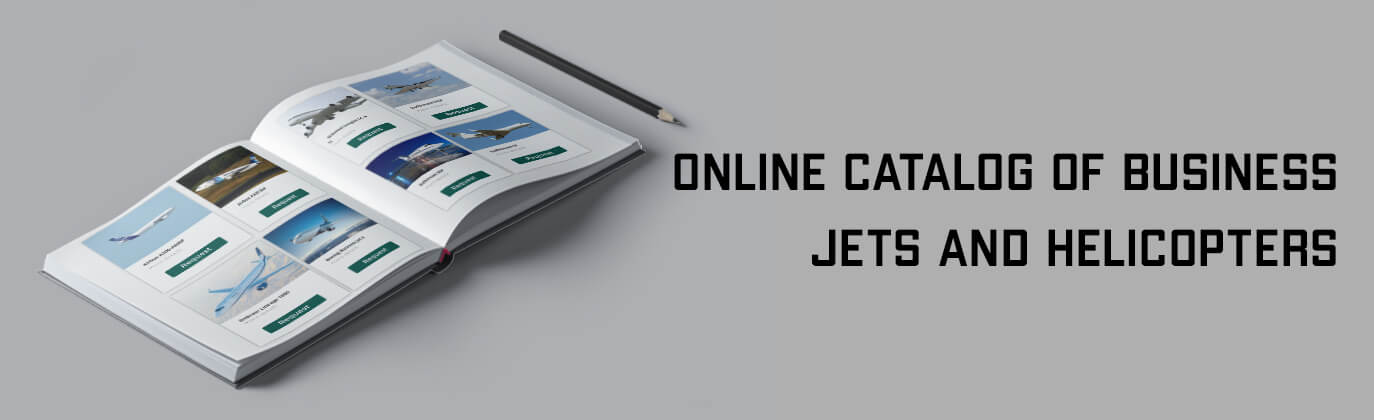
This is a small part of what is available. Santiago sits in the north-west corner of the Peninsula, so an aircraft is not always standing by in the city, and a quote may name Madrid, Porto or a British field as the positioning point. That is normal for a regional airport, and it is often where the better price comes from.
How to book a private jet?
You can book a private jet flight to Santiago de Compostela in 6 easy steps:
- Flight request - indicating the route and your preferences for the model of business jet and other points.
- Coordination of flight details - our consultant will contact you to offer the possible flight options and answer all your questions.
- Commercial offer - we will send you a final offer on a specific model taking into account all your wishes.
- Signing of the contract.
- Payment for the flight and booking a business jet.
- Departure at the agreed time and date. Assistance during the whole flight.
In addition to renting the private jets and arranging the flights, we provide concierge services, premium transfer, security, exclusive catering, etc. We have learned to solve problems of any complexity, offering the service of the European level. Our experts will be happy to answer your questions and help you arrange your flight.
How to rent a business jet with a crew
5 main stages:
-

Sending an application
-

Clarification of details and search for options
-

Preparation and coordination of optimal options
-

Registration of documents. Payment of the invoice.
-

Departure on the route.
Business aviation airports in Santiago de Compostela
One airport carries almost every trip to the capital of Galicia, and three more are worth knowing about when the programme lies in A Coruña or Vigo or across the Portuguese border. Which one is right depends on where you are sleeping and when the evening ends, not on the aircraft.
| Airport | What it gives you |
|---|---|
| Santiago de Compostela, Rosalía de Castro SCQ / LEST |
The answer for the city, the Camino and most of Galicia. The Spanish AIP gives 10 km north-east of the city and an elevation of 369 m. There is a single asphalt runway, 17/35, listed at 3,140 m for runway 17 and 3,170 m for runway 35, 45 m wide, with an instrument landing system rated Category III on 17 and Category I on 35. Rescue and firefighting cover is category 7, with 8 and 9 on request. The aerodrome, customs, immigration, handling, fuel (Jet A-1) and de-icing are all listed as available round the clock. There is no hangar or repair shop, and de-icing is not allowed on a few stand ranges, in which case the handler asks for a stand change. Handling is compulsory for every operation, non-commercial included, and the agents listed are South, Aviapartner, United Aviation Services, Gestair, Sky Valet and Aviation Handling. The page carries no slot rule, so we ask the handler to confirm the movement and the stand in writing |
| A Coruña LCG / LECO |
The Galician option for A Coruña itself, the Tower of Hercules and the north coast, 8 km south of the city on the AIP and about 65 to 68 km from Santiago, typically 50 to 60 minutes by the AP-9 toll motorway. One asphalt runway, 03/21, of 2,188 m by 45 m, of which the last 150 m of runway 21 cannot be used for landing, with an instrument landing system on 21. The AIP lists the hours as 0430 to 2230 for the summer period and 0530 to 2330 for the winter period, and the Spanish AIP uses UTC unless it says otherwise, so on the wall clock both periods work out at 06:30 to 00:30 local time. Customs, immigration, handling and fuel follow the aerodrome hours. Handling is compulsory. General and business aviation also needs prior clearance from the airport's coordination office through the SAGA portal, which depends on apron capacity, and a flight without it is rejected. Aircraft with a wingspan above 36 m need explicit clearance as well, so the largest cabins go to Santiago |
| Vigo-Peinador VGO / LEVX |
The Spanish option for the southern Rías Baixas and the Portuguese border, 8 km east of Vigo and about 90 to 95 km from Santiago, typically 1 hour 10 minutes to 1 hour 20 minutes by the AP-9. One asphalt runway, 01/19, of 2,384 m by 45 m, with an instrument landing system on runway 19 only. The hours are published in UTC in the same way as at A Coruña, 0430 to 2230 in the summer period and 0530 to 2330 in the winter period, which is 06:30 to 00:30 local time all year, and customs, immigration, handling and fuel follow them. The AIP extends the hours only for commercial flights authorised by the airport. Handling is compulsory for every general and business aviation operation, with South Europe Ground Services, Aviation Handling Supply and United Aviation Services listed. It suits a midsize jet and a party that sleeps on the estuary |
| Porto, Francisco Sá Carneiro OPO / LPPR |
The Portuguese alternative, 104 nautical miles or about 185 km south in a straight line and 230 to 240 km by road, typically 2 hours 30 minutes to 3 hours. A single runway of 3,480 m, customs and immigration listed as round-the-clock services, and a ban on landings and take-offs between midnight and six in the morning listed in the Portuguese aeronautical information, with exceptions that we confirm for a private flight. We use it when the party is really going to the Douro and Galicia is the side trip, not the other way round. Portugal keeps a clock one hour behind Spain |
Four things to settle before a Santiago landing:
The handler and the apron
Six agents are listed at Santiago, South, Aviapartner, United Aviation Services, Gestair, Sky Valet and Aviation Handling, and United Aviation Services and Aviation Handling are marked as general aviation agents. There is no hangar, so a visiting jet stays on the apron, and the name of the handler goes on the quote and on the driver's sheet. If the aircraft needs de-icing on a winter morning, a few stand ranges are excluded, and the handler asks for another stand.
Hours, fog and the alternate
The aerodrome is open round the clock and the lights go off between midnight and six local time only when no movement is expected. The weather is the other half of the story: the climate table gives about 1,500 mm of rain a year, and Aena installed a Category II/III landing system to reduce diversions from fog and low cloud. Low-visibility procedures start when the runway visual range falls below 600 m or the cloud base below 400 ft, and we name an alternate in the quote.
Border and passport
Spain is in Schengen and Britain is not, so you clear passport control and customs on arrival at Santiago. British passport holders need no visa for up to 90 days in any 180, with a passport issued less than ten years before arrival and valid for at least three months after the planned departure. A first-time visitor may be asked to register a photograph and fingerprints at the EU entry-exit system, which is free. The handler can look after the customs side for the operator.
Car, hotel and the old town
Tell us the handler as well as the flight, so that the driver waits at the right door. The cathedral and the Praza do Obradoiro are about 13 km from the runway by road. The Camino is the reason some clients come, and a driver who knows the pilgrim stages and the pilgrim office is worth arranging before you land.
Border, passport and the Spanish forms
The first landing in the Schengen area is where the formalities happen, and Santiago is an easy place for them, because customs and immigration are listed as available round the clock and the handler knows the aircraft in advance. At A Coruña and Vigo the same services follow the aerodrome hours, which end shortly after half past midnight, so the arrival time is fixed before the aircraft is booked. After the first landing the border disappears: Spain and Portugal are both Schengen members, so a flight on to Porto or Lisbon needs no further passport control, although temporary checks can be reintroduced at internal borders and a car can still be stopped for a document check. The operator completes the declarations for the means of transport and the goods carried, and we check both before departure. For the return, the General Aviation Report for Britain is filed not earlier than 48 hours and not later than 2 hours before departure. Carry your passport at hotel check-in, and leave the aircraft paperwork with the crew.

From the apron to the Obradoiro
Santiago de Compostela is the capital of Galicia, with about 100,000 inhabitants in the municipality and some 226,000 in the wider area. The old town is a World Heritage site, and the cathedral at its heart is the end of the Way of St James, which brings close to half a million pilgrims to the city in a year. The Praza do Obradoiro is framed by the baroque west front of the cathedral, the Hostal dos Reis Católicos, built as a hospital for pilgrims and now a Parador, and the Pazo de Raxoi, the city hall. The Alameda park lies between the old town and the newer districts. The climate is Atlantic, with a daytime average of about 12 °C in January and about 25 °C in August, and a waterproof belongs in the bag in every month.
about 10 km north-east on the AIP and about 13 km by road, with the cathedral and the Obradoiro at the end of ittypically 15 to 20 minutes
about 65 to 68 km on the AP-9 toll motorway, for the north coast and the Tower of Herculestypically 50 to 60 minutes
about 90 to 95 km on the AP-9, for the southern Rías Baixas and the Portuguese bordertypically 1 hour 10 to 20 minutes
about 230 to 240 km by the A-3 and AP-9, across the border into Portugaltypically 2 hours 30 minutes to 3 hours
about 90 km by road to the cape on the Costa da Morte, where many pilgrims end the Caminoabout 90 km
the usual start of the last 100 km on foot, with Portomarín a day further on111 km, 6 to 7 days
the Camino Francés passes through Lavacolla, the village beside the airport, on its way to the Obradoiroabout 10 km on foot
The cathedral is built over the tomb that is traditionally held to contain the relics of Saint James, and the crypt below the main altar is the reason for the whole journey. The Romanesque Pórtico da Gloria by Master Mateo stands behind the baroque west front, and pilgrims can reach the saint's mantle through a narrow passage behind the high altar. The Holy Door is usually closed and opens only in a Holy Year. The Mercado de Abastos is the city's food market, and the old town is best covered on foot.
The Botafumeiro deserves a paragraph of its own, because clients ask for it. It is a censer of about 80 kg that eight men in mauve robes, the tiraboleiros, swing from the transept by ropes and a pulley under the dome, in an arc of about 65 m between two doorways of the transept, at a speed that reaches about 68 km/h at the bottom of the swing. It is used on solemn dates such as the feast of Saint James on 25 July, Easter, Christmas and a handful of other feasts, and in a Holy Year at the pilgrims' Masses. A private swing can be requested from the cathedral for a fee. We put the request in early, but it is the cathedral that decides, so do not plan a surprise around it.
The Camino and the Compostela: what a private client can do
The Compostela is the certificate that the Pilgrim Office in the Rúa Carretas, number 33, issues to those who arrive for religious or spiritual reasons, and the rules are strict. The office asks for at least the last 100 km on foot or on horseback, or the last 200 km by bicycle, on one route recognised by the pilgrim system, with a credential stamped along the way, and it says that other transport is not accepted, except for disabled pilgrims. A flight, even a short one, in the last 100 km therefore rules the certificate out. Walkers with another motive can ask for a different pilgrim certificate. The office gives a ticket with a QR code that shows your place in the queue, same-day collection cannot be guaranteed in busy periods, and it is closed on 25 December and 1 January. Its opening hours change with the season, so we check them before the arrival is planned.
A private flight and the Camino fit together in three ways. The first is to land at Santiago, drive to Sarria, which is 83 km away in a straight line, and walk the last 111 km in six or seven days, with the aircraft released and a second sector booked for the end of the walk. The second is to arrive on foot and fly home from Santiago the next morning, which suits a party that walked the final stages and wants the certificate on the last day. The third is the shortest: the last stretch of the Camino Francés runs through Lavacolla, where the airport stands, and covers about 10 km to the cathedral, so a party can land, walk the final morning and be at the pilgrims' Mass at midday. That last stretch does not earn a Compostela by itself, but it earns the arrival.
Flying to Santiago de Compostela with a dog or a cat
Dogs and cats fly to Galicia often, and a private cabin spares them the worst of it: no hold, no kennel queue, the animal at your feet on a sector of under two hours. The paperwork needs more care than the flight, and the date on the health certificate, valid for only ten days, is where owners most often slip.
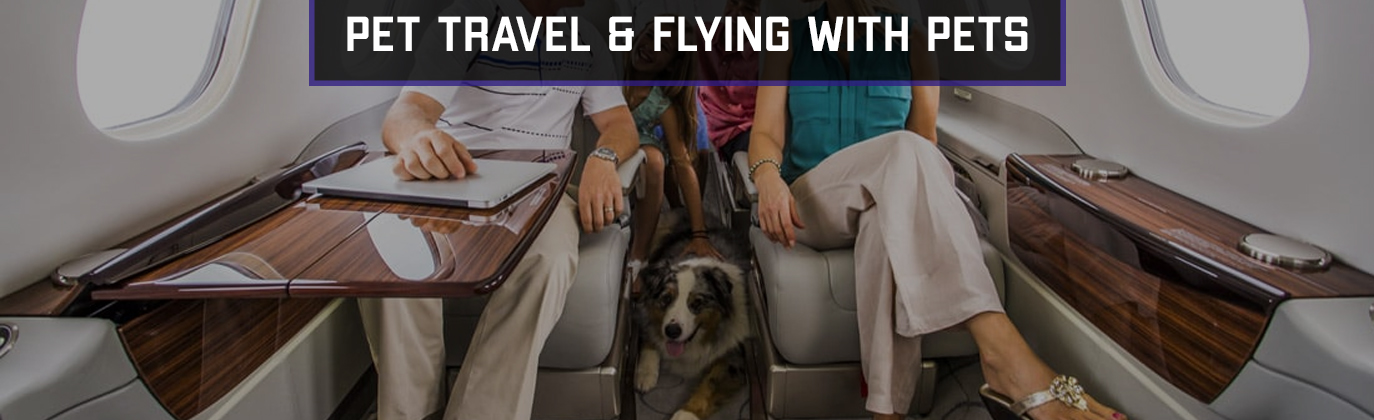
What Spain asks for when a pet arrives from Britain:
- An ISO microchip, fitted before the rabies vaccination or at the same time;
- A rabies vaccination given when the animal was at least 12 weeks old, with 21 days elapsed after the vaccination before it travels;
- An Animal Health Certificate for each trip, issued by an Official Veterinarian and valid for ten days for entry to the EU. A British pet passport cannot be used to enter the EU;
- No more than five animals per traveller, entering through a travellers' point of entry, which the handler arranges at the airport;
- For dogs, a tapeworm treatment from a vet between 24 and 120 hours before arrival back in Britain, recorded on the paperwork. Cats are exempt.
What catches owners out on the Santiago run
– Spain does not ask for a tapeworm treatment on the way in, only Britain asks for it on the way home, so it is a vet appointment you book in Santiago towards the end of the stay. Count back from the departure time, because the window is 24 to 120 hours, and a flight that moves by a day can move the window out of reach;
– The sequence of chip and vaccine matters: a vaccination given before the microchip does not count, and we go through the certificate line by line before the flight, not at the terminal;
– A very young animal cannot enter. Puppies and kittens must be at least 12 weeks old, and the 21 days after the vaccination apply as well, so a dog or cat under 15 weeks cannot travel. The return needs a pet travel document and a declaration, and an animal that does not meet the British rules can face quarantine of up to four months.
Requirements for cats, ferrets, birds and anything less usual are collected on our flying with pets guide. A private flight into Britain has no published approved-route text of its own for pets, so we confirm the entry point and the paperwork for the animal in writing before the flight, and our managers check the position for your dates before a booking is taken.
The Santiago calendar: the Apostle in July, Albariño in August and a seafood October
Santiago does not have one high season. It has a wet, mild winter, a walking spring, a July that fills every room around the cathedral and an autumn built around the harvest and the shellfish. Every few years a Holy Year raises the whole curve. The week you choose shapes the trip more than the aircraft does.
Why the feast fortnight and a Holy Year cost more
Not the flying. The European fleet is large and Galicia is well placed in it, with Porto, Madrid and Bilbao all close. What tightens is everything around the aircraft: rooms in the old town, a car and a driver who knows the pilgrim routes, a table on the Rías Baixas for the Albariño week. On the eve of the Apostle the Obradoiro is full of people, and the hotels on it are the first to go. A booking made two weeks before the feast can still be done, but it may mean an aircraft positioned from Madrid or Porto, which costs more. Booked a month or more ahead, the same trip is simpler and cheaper. Outside those weeks a charter to Santiago can usually be arranged in a day or two.
The Rías Baixas: Albariño, Cambados and O Grove
The Rías Baixas are four estuaries on the Atlantic coast of Galicia below Cape Finisterre: Muros e Noia, Arousa, Pontevedra and Vigo. They are the home of Albariño, a white wine that makes up about 90% of what is produced there, and of mussel farming, with the Ría de Arousa alone holding over half of it. Cambados lies 53 km south-west of Santiago in a straight line, a town of about 14,000 people with the Pazo de Fefiñáns, a market on Wednesday and Saturday mornings and a fish market on the quay. Albariño is called the wine of the sea there, because the vineyards run down to the water and the wine is poured with shellfish.
O Grove, 58 km from Santiago in a straight line, sits on a peninsula at the mouth of the Ría de Arousa, with the island of A Toxa joined to it by a bridge and a long season of hotels and beaches. Its Festa do Marisco in October is one of Galicia's longest-running gastronomic celebrations. The usual plan is a morning in Santiago, a drive to the estuary, a long lunch of shellfish and a bottle of Albariño, a night in a pazo or a hotel on the water and the road back the next day. A helicopter makes the same trip in under half an hour, and the table on the quay in Cambados is a good reason to take it.
The Costa da Morte and Finisterre
West of Santiago the land runs out. The Costa da Morte, the Coast of Death, takes its name from the many ships wrecked on its rocks, and it is a coast of lighthouses, granite headlands and estuaries such as Corcubión, Camariñas, and Corme e Laxe. Cape Finisterre, the Latin finis terrae, is about 90 km from Santiago by road. The Romans believed it to be the end of the known world, and the lighthouse on Monte Facho looks out over the same sunsets that may have drawn pilgrims there long before the Christian ones. Many pilgrims walk on from the cathedral to the cape, and some continue to Muxía, about a day's walk further. The Cape Vilán lighthouse, on one of the most dangerous stretches, was the first in Spain to use electricity.
Cape Finisterre is not the westernmost point of Spain, a distinction that belongs to Cape Touriñán, and a guide will say so with some pleasure. For a private client the coast is a day out by car or a short helicopter flight, the lighthouse and the sunset are the point, and the driver should be briefed on where to park, because the headlands are exposed and the weather turns quickly.
A Coruña, Lugo and the Ribeira Sacra
A Coruña, on the north coast, is the home of the Tower of Hercules, a Roman lighthouse about 55 m tall on a peninsula about 2.4 km from the centre, a World Heritage site and the oldest Roman lighthouse still standing. A statue of the legendary King Breogán stands nearby. The city is about 65 to 68 km from Santiago, typically 50 to 60 minutes by the AP-9, and a half day there fits easily around a morning in Santiago.
Lugo, inland to the east, is surrounded by Roman walls about 2.1 km long, with ten gates, which are a World Heritage site and can be walked along their whole length. The city lies on the Camino Primitivo, and its fiesta of San Froilán in October is the occasion for the octopus. The Santiago airport is about 71 km west of Lugo in a straight line.
The Ribeira Sacra is the reason for a longer day. It is a wine region on the canyons of the Miño and Sil rivers, in southern Lugo and northern Ourense, where the vines grow on terraces called socalcos that are too steep for machines, so pruning and picking are done by hand. The principal grapes are Mencía for the reds and Godello for the whites. The canyon is about 35 km of river with walls that rise to nearly 500 m, and catamarans leave from jetties such as Santo Estevo, near the monastery that is now a Parador, for a trip of about an hour and a half through it. The region owes its name to more than 40 monasteries on the slopes. In a straight line it lies about 76 km from Santiago, which is a short helicopter flight and a long drive, and the harvest in September and October is the best time.
At the table: seafood, octopus and the almond cake
Galician cooking is built on the sea, on potatoes and on the meat and dairy of grazing country. The scallop, the vieira, is also the symbol of the pilgrim, and you will see its shell on every credential and doorway. Goose barnacles, the percebes, are among the best-known shellfish of the coast, while polbo á feira, the Galician octopus, is the dish that every menu offers. Empanada, the savoury pie, is the other staple, and the peppers of Padrón are a plate for the table.
The drinks are Albariño from the Rías Baixas, the white and red wines of the Ribeiro and Ribeira Sacra, and orujo, the grape spirit used in the burning queimada. The cheese is the soft, conical Tetilla. The dessert is the Tarta de Santiago, an almond cake dusted with sugar through a stencil of the cross of Saint James. It holds a protected geographical indication, it must contain at least a third of almonds, and the earliest record of it dates from the university in the 16th century.
Where to stay: the hotels clients book
The old town has a few outstanding addresses and a great many small ones, and the best rooms in the weeks of the Apostle are gone long before the aircraft is booked. These names come from published listings; check availability before you commit to a flight date.
a five-star Parador on the Praza do Obradoiro, built by the Catholic Monarchs as a hostelry and hospital for pilgrims, with four colonnaded courtyards and 137 rooms, widely held to be one of the oldest hotels in continuous useObradoiro
a converted paper mill on the banks of the River Sar at Paseo da Amaia 23B, minutes from the historic centre, with a spa and the Filigrana restaurantRiver Sar
a monastery in the Sil canyon that has become a Parador, the base for the Ribeira Sacra and for the catamaran trips on the riverRibeira Sacra
Ways to bring the Santiago price down
- Fly from the west. On the same Citation CJ3+, the sector from Cardiff is priced about £500 below the one from Farnborough, and Bristol and Southampton sit between them;
- Shift the dates by a few days if the trip allows. Weekdays in May, June and September are calmer than the feast fortnight of July and the Albariño week of August;
- Think of the trip as one itinerary. London to Santiago, a night on the Rías Baixas and home from Vigo or Porto costs less arranged as a single booking than as two one-way flights, because the aircraft and crew stay with you.
Types of flights
Santiago produces a different mix from the capitals we cover, because it is a cathedral city, a pilgrimage and the gateway to a coast of wine and shellfish at the same time, served by an airport that is open round the clock and long enough for anything.
- The Camino finale: a party flies in, drives to Sarria and walks the last 111 km, with the aircraft going home empty and a second sector booked for the end of the walk;
- City breaks of two or three nights for the cathedral, the Mercado de Abastos and a night in the Parador, usually two to four people;
- The feast of the Apostle in July and the weeks of a Holy Year, flown in small parties and booked well ahead;
- Seafood and Albariño weekends in Cambados and O Grove, booked around the Festa do Albariño in August or the Festa do Marisco in October;
- The Ribeira Sacra: a night at a Parador in the canyon, a catamaran trip and the harvest, often with a helicopter for the last leg;
- Family and wedding parties in Galicia, where the hold matters more than the seat count;
- Hops along the Atlantic edge of Iberia, to Porto, Lisbon and Madrid, inside a longer programme.
The day trip works better here than at most Spanish airports. Land a little before ten, leave at five in the afternoon local time and you are back on the British side shortly before six in the evening, UK time, with about seven hours on the ground, enough for the midday Mass, lunch and an hour in the old town. On a same-day return the aircraft and crew stay on the ground until you are ready to leave, which is paid for, yet it usually costs less than two separate one-way charters. Because Santiago is open round the clock, a late flight home after dinner is also possible, which Vigo and A Coruña cannot offer. We price the day return beside the overnight option, so you can see what the extra night costs.
Empty Legs
An empty leg is an aircraft flying without passengers to reach its next job, offered to the public at a reduced fare. At Santiago these flights follow the calendar and not a timetable, and it helps to know where they come from.
Where Santiago empty legs come from
– Feast and Holy Year weekends. A party flies out on the Friday, the aircraft returns without passengers and a leg towards Britain appears the same day;
– Walking-season flights. An aircraft that sets down a party for the Camino in spring or autumn often has no reason to stay, and the empty return is offered;
– Iberian rotation. Aircraft that fly guests to Porto, Bilbao or Madrid often reposition through Santiago, and the short legs between those airports can be cheap.
Traffic between Britain and Galicia is steady, so legs do come up, but they favour a client who can give a window of several days. The trade-off is plain: the operator controls the date and the hour, and a leg can disappear if the original booking moves. Free legs are posted on our empty legs page, and we flag a Santiago match as soon as an operator releases it.

Helicopter charter
In Galicia the helicopter earns its place away from the runway. The best of the region lies in the estuaries, on the headlands and in the canyons, away from the motorway, and the straight line between two of them crosses water or a ridge. A helicopter turns a day of driving into an hour in the air, and it is the Rías Baixas, the Costa da Morte and the Ribeira Sacra where it earns its keep. It is arranged separately from the jet, and from the Santiago apron it can start the day in the same place as the aircraft.
30 nm in a straight line to the Albariño town on the Ría de Arousaabout 24 minutes
33 nm in a straight line to the peninsula of the shellfish and the island of A Toxaabout 25 minutes
31 nm in a straight line to the Roman lighthouse at A Coruñaabout 24 minutes
39 nm in a straight line to the end of the Camino and the lighthouse on the Costa da Morteabout 28 minutes
40 nm in a straight line to the city of the Roman wallsabout 29 minutes
43 nm in a straight line to the Sil canyon, measured to the municipality of Nogueira de Ramuín, which holds Santo Estevoabout 30 minutes
Before you plan around a helicopter
– A helicopter cannot land wherever it likes. A landing away from an aerodrome needs an agreed site and the landowner's consent, so we check the status of a pazo lawn, a vineyard terrace or a beach car park before the quote is written, not after it, and in a protected area the park rules come first;
– Weather sets the schedule. Cloud on the headlands, wind on the coast and rain in the canyon can stop a helicopter on a day when the jet lands without trouble, so a transfer needs a road alternative planned into the same day;
– The times in the table are rough: a straight line flown at about 115 knots plus a few minutes to start and stop, and the pilot may route around high ground or controlled airspace.
The machines for this ground are the Airbus H125 for scenic work, the wider H130 for estate and hotel transfers, the H135 and the Bell 429 where a twin is wanted, and the H155 for larger parties. They are booked with the jet, so both crews work from the same timetable.

Flight payment options
The main goal of our company is to provide the highest level of comfort to our customers. Therefore, we're always ready to meet you halfway. Our consultants will offer you a wide variety of flights to meet your needs and budget. Most customers prefer a non-cash method (a transfer to an EU bank account), which guarantees a high level of confidentiality and security of payment. All payment details are provided in advance, so you'll have enough time to make the necessary checks. For years of working in business aviation, our company has gained an impeccable reputation. We practice transparency and are always ready to present all necessary documents.
Private Jets UK works with both physical and legal entities. We guarantee the confidentiality and security of payments. You can pay for the flights from Santiago de Compostela in any convenient way:
- cashless (by transfer to our account);
- by cash;
- by card;
- by cryptocurrency.
Our company works with European and British banks, which allows you to choose the most convenient payment method. In addition, we conclude formal agreements and provide our clients with all necessary documents and invoices, which guarantees the safe payment and delivery of services. If you have any financial questions, feel free to contact our private aviation consultants.
If you need to book an urgent flight, please keep in mind that the bank transfer can take a few days. In such situations, we may need to involve our partner companies so that you can pay for your flight in cash. If you have any questions, you can contact your personal consultant 24/7.

Flights from the UK to Santiago de Compostela
Biggin Hill, Farnborough, London City and Stansted send most of the traffic on this corridor, with Cardiff, Bristol and Southampton the shortest of the sectors and the north and Scotland the longest; the price table higher up covers fourteen of those pairings. Our clients have access to all airports of the UK and Europe. Due to the unique partnership conditions, we can offer our clients the best prices for business aviation services. Our experts will consult you on the availability of private jets in a particular city and help you choose the best option.
List of TOP 25 business aviation airports:
| Airport | Country | ICAO | IATA |
|---|---|---|---|
 London Heathrow Airport |
England | EGLL | LHR |
| Birmingham Airport |
England | EGBB | BHX |
| London Gatwick |
England | EGKK | LGW |
| London City Airport |
England | EGLC | LCY |
| London Luton |
England | EGGW | LTN |
| Edinburgh Airport |
Scotland | EGPH | EDI |
| Leeds Airport |
England | EGNM | LBA |
| Manchester Airport |
England | EGCC | MAN |
| London Stansted |
England | EGSS | STN |
| Liverpool John Lennon Airport |
England | EGGP | LPL |
| Newcastle Airport |
England | EGNT | NCL |
| Bristol Airport |
England | EGGD | BRS |
| Glasgow Airport |
Scotland | EGPF | GLA |
| East Midlands Airport |
England | EGNX | EMA |
| Southampton Airport |
England | EGHI | SOU |
| Jersey Airport |
Channel Islands | EGJJ | JER |
| Cardiff International Airport |
Wales | EGFF | CWL |
| Inverness Airport |
Scotland | EGPE | INV |
| Bournemouth Airport |
England | EGHH | BOH |
| London Farnborough Airport |
England | EGLF | FAB |
| Oxford Airport |
England | EGTK | OXF |
| London Biggin Hill |
England | EGKB | BQH |
| Belfast Airport |
Northern Ireland | EGAA | BFS |
| Gibraltar Airport |
Gibraltar | LXGB | GIB |
| Aberdeen Airport |
Scotland | EGPD | ABZ |
Santiago charters from the booking notes: six typical trips
What the corridor looks like once a quote turns into a flight. Six typical jobs of the kind that come through our booking notes, described in outline, with the particulars changed.
THE CAMINO · THE LAST 111 KM
Four friends and a week on foot
Farnborough - Santiago de Compostela, Citation CJ3+, about 1 h 50 min · 4 pax
They landed in the morning, a car took them to Sarria and they walked into Santiago on the seventh day. The aircraft went home empty and a second flight was booked for the day after the Mass at the cathedral. The party packed boots and poles, so the hold was checked against the luggage list, and the light jet was enough.
THE APOSTLE · FIXED DATES
A feast weekend booked in the spring
London Luton - Santiago de Compostela, Phenom 300E, about 1 h 50 min · 6 pax
The feast fixed the date, and everything else followed from it: rooms near the Obradoiro first, the handler's stand second. The party booked six weeks ahead, watched the fireworks on the eve, attended the Mass and the offering on the 25th and flew home on the Sunday.
THE RÍAS BAIXAS · ALBARIÑO WEEKEND
A couple, a pazo and a table on the quay
Biggin Hill - Santiago de Compostela, Citation CJ3+, about 1 h 55 min · 2 pax
They landed before midday and a car took them to Cambados for lunch, with a night in a pazo on the estuary. The cellar visit was booked before the flight, and the return was set for the Sunday afternoon. The aircraft flew home empty and returned on the Sunday, which was cheaper than a weekend of waiting time.
THE RIBEIRA SACRA · A HELICOPTER FOR THE LAST LEG
A wine party of four in the harvest
Bristol - Santiago de Compostela, Citation CJ3+, about 1 h 45 min · 4 pax
The jet brought them to Santiago, and a helicopter, booked alongside it, took them to a landing site near the Sil canyon. The landing site was agreed with the landowner before the quote, and a car stood by on the road in case the cloud sat on the ridges. It stayed clear, and the whole day came to a lunch, a catamaran trip and a tasting.
A DOG ON BOARD · LONG WEEKEND
Two adults and a spaniel
Southampton - Santiago de Compostela, Citation CJ3+, about 1 h 45 min · 2 pax + dog
The Animal Health Certificate had to be dated within ten days of arrival, and the Santiago vet visit for the tapeworm treatment had to fall in the window of 24 to 120 hours before departure. We put the flight dates and the paperwork dates on one sheet and agreed them with the owners in a single exchange.
EMPTY LEG · SUNDAY MORNING HOME
A jet already going your way
Santiago de Compostela - London Luton, Phenom 300E empty leg, about 1 h 50 min · 3 pax
The aircraft had flown a party out and was returning without passengers. The client offered a three-day window rather than a date, and flew home on a Sunday morning for well below the price of a fresh one-way charter to the London fields.
Frequently asked questions about flying to Santiago de Compostela
1How long is a private jet flight from London to Santiago de Compostela?
About 1 hour 50 minutes from Farnborough, 1 hour 55 minutes from Biggin Hill and 1 hour 55 minutes from London City in a light jet, and 1 hour 50 minutes from Luton in a Phenom, covering roughly 615 to 669 nautical miles from the London fields. From Birmingham allow about 1 hour 55 minutes and from Manchester 2 hours, and from Newcastle and Glasgow 2 hours 10 minutes and from Edinburgh 2 hours 15 minutes. Galicia keeps the clock one hour ahead of Britain, so a seven o'clock departure lands shortly before ten by the Spanish clock.
2How much does a private jet to Santiago de Compostela cost?
From about £8,900 one way on a light jet out of Farnborough, £9,150 from Biggin Hill and £9,250 from London City, and £9,400 in a Phenom from Luton. A midsize cabin runs £11,650 to £12,300 from Birmingham and Manchester, and from Scotland allow £17,500 to £17,750. The feast of the Apostle in late July, the Albariño and seafood weekends and the summers of a Holy Year can price above these figures.
3Which airport should I use, Santiago, A Coruña, Vigo or Porto?
Santiago Rosalía de Castro (SCQ / LEST) for the city, the Camino and most of Galicia. It has a runway of more than 3,100 m, customs and immigration listed as available round the clock, and compulsory handling. A Coruña (LCG / LECO) and Vigo (VGO / LEVX) are the Spanish alternatives about 65 and 90 km away, with runways of 2,188 m and 2,384 m. The Spanish AIP gives their hours in UTC, which makes them 06:30 to 00:30 local time. Porto (OPO / LPPR) lies 185 km to the south in a straight line, lists a ban on landings and take-offs between midnight and six, and suits a party that is really going to the Douro.
4Can I get the Compostela certificate if I fly to Santiago?
Not for the flight itself. The Pilgrim Office asks for at least the last 100 km on foot or on horseback, or the last 200 km by bicycle, on a recognised route, with a stamped credential, and says other transport is not accepted, except for disabled pilgrims. A private flight fits the Camino in a different way: land at Santiago, drive to Sarria, which is 111 km on foot from the cathedral, and walk the final stages. The airport stands beside Lavacolla, on the Camino Francés about 10 km from the Obradoiro.
5Do I need a visa or customs clearance for Santiago de Compostela?
Britain is outside Schengen and Spain is inside it, so you clear passport control and customs on arrival. British passport holders need no visa for up to 90 days in any 180, with a passport issued less than ten years before arrival and valid for at least three months after the planned departure from the Schengen area. A first-time visitor may be asked to register a photograph and fingerprints at the EU entry-exit system, which is free. Customs and immigration at Santiago are listed as available round the clock, the operator files the declarations before arrival and the handler can do it for them. We track the paperwork with the aircraft.
6Can I take my dog to Santiago de Compostela on a private jet?
Yes. The dog travels in the cabin with you, and Spain asks for a microchip fitted before or with the rabies vaccination, a vaccination given at 12 weeks or older and at least 21 days old, and an Animal Health Certificate valid for ten days for entry to the EU. A British pet passport cannot be used. For the return, a dog needs a tapeworm treatment from a vet between 24 and 120 hours before arriving back in Britain. Cats are exempt from the treatment. We confirm the entry point and the paperwork in writing before the flight.