

Private Jet Fleet - Aircraft Types and Models
Private Jets UK operates access to more than 6,500 business jets worldwide - approximately 3,500 based in Europe and 3,000 across the Americas, Middle East, Asia and Africa. Every aircraft in the catalogue flies with a full professional crew, is maintained to EASA or FAA airworthiness standards and is available on 4 to 24 hours' notice depending on location. Browse by category below, or contact our flight consultants 24/7 for a no-obligation quote tailored to your route, dates and group size.
The cost of the flight directly depends on the model of the chosen business jet, location, route and number of passengers. Get information about availability and the final price via WhatsApp on +44 204 577-31-19 or by email at flight@private-jets.co.uk
Adam A500
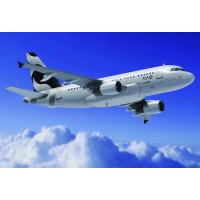
Airbus 318 Elite
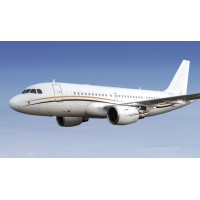
Airbus A319 CJ
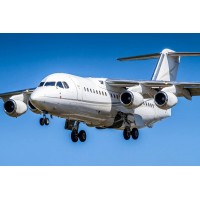
Avro Business Jet
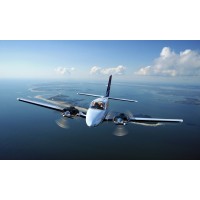
Beechcraft Baron 58
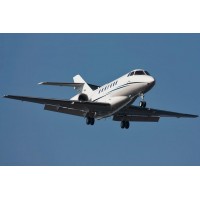
Beechcraft Hawker 1000
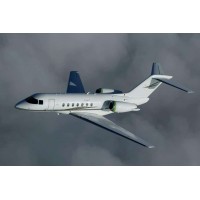
Beechcraft Hawker 4000

Beechcraft Hawker 700
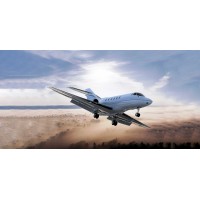
Beechcraft Hawker 750
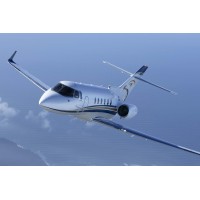
Beechcraft Hawker 800 XP
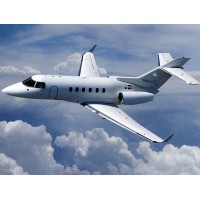
Beechcraft Hawker 850 XP
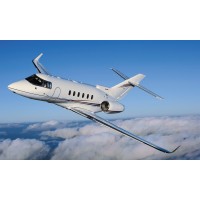
Beechcraft Hawker 900 XP
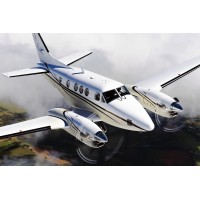
Beechcraft King Air 100
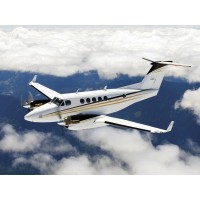
Beechcraft King Air 200
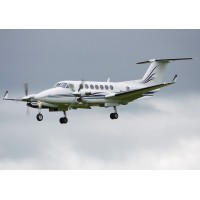
Beechcraft King Air 300
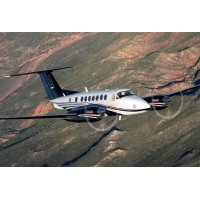
Beechcraft King Air 350
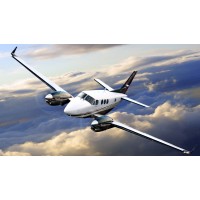
Beechcraft King Air 90
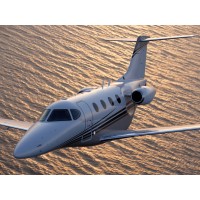
Beechcraft Premier I
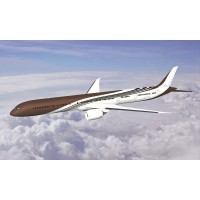
Boeing Business Jet (BBJ)
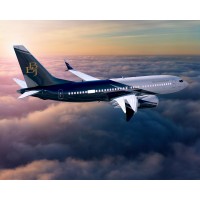
Boeing Business Jet 2
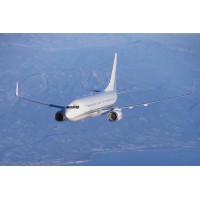
Boeing Business Jet 3
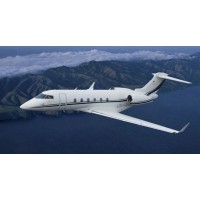
Bombardier Challenger 300
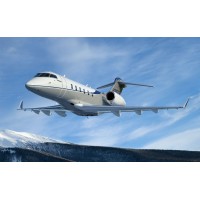
Bombardier Challenger 350
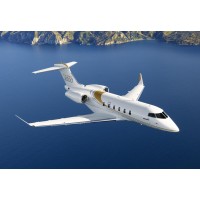
Bombardier Challenger 3500

Bombardier Challenger 600
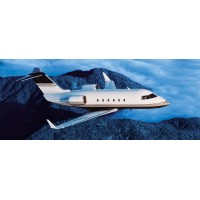
Bombardier Challenger 601
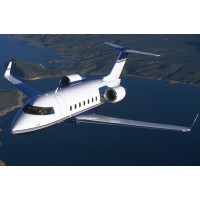
Bombardier Challenger 604
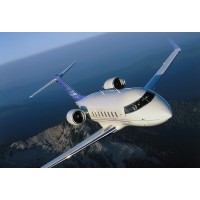
Bombardier Challenger 605
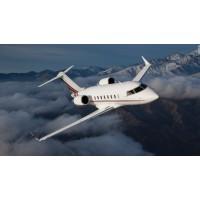
Bombardier Challenger 650
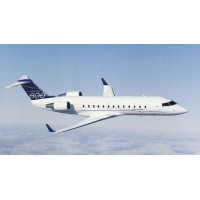
Bombardier Challenger 800
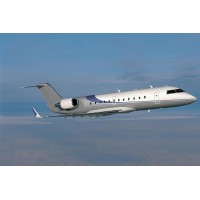
Bombardier Challenger 850
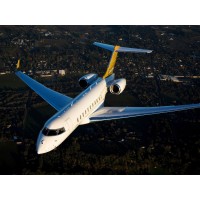
Bombardier Global 5000
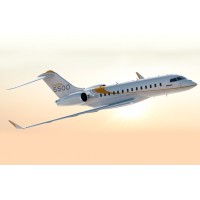
Bombardier Global 5500
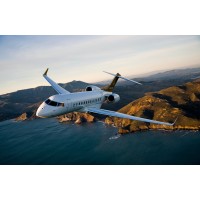
Bombardier Global 6000
Bombardier Global 6500
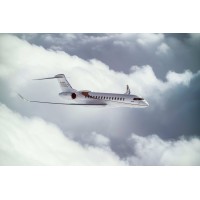
Bombardier Global 7000
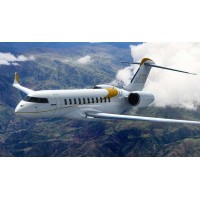
Bombardier Global 8000
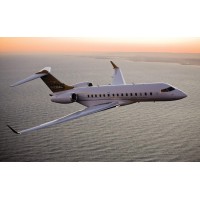
Bombardier Global Express
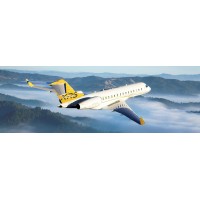
Bombardier Global Express XRS

Britten-Norman Islander
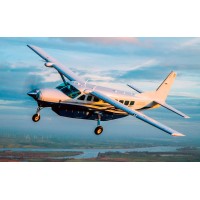
Cessna 208 Grand Caravan
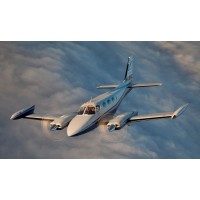
Cessna 340
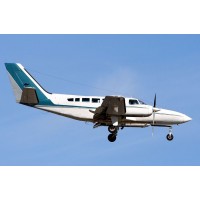
Cessna 404
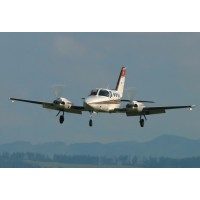
Cessna 421 Golden Eagle
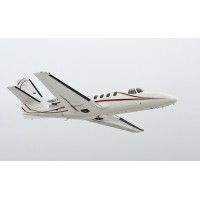
Cessna Citation 501
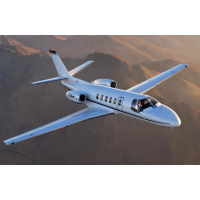
Cessna Citation Bravo
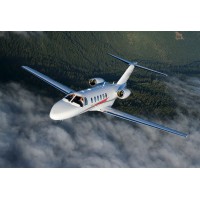
Cessna Citation CJ2
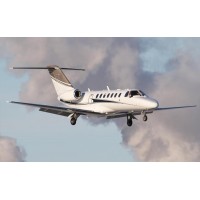
Cessna Citation CJ3
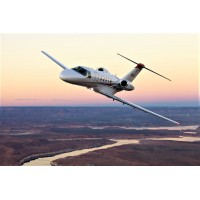
Cessna Citation CJ4
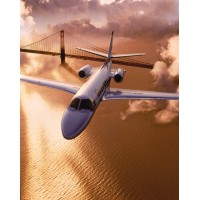
Cessna Citation Encore
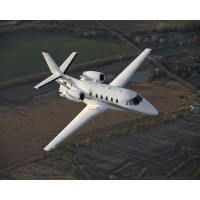
Cessna Citation Excel
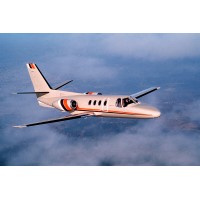
Cessna Citation I
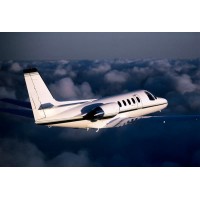
Cessna Citation II
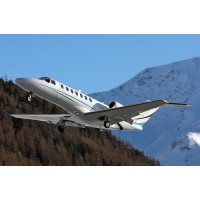
Cessna Citation III
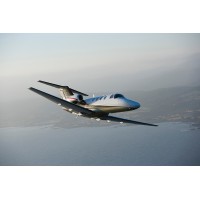
Cessna Citation Jet / CJ1
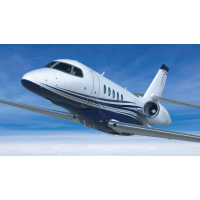
Cessna Citation Latitude
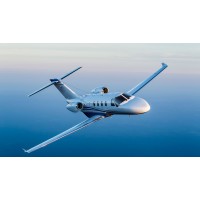
Cessna Citation M2
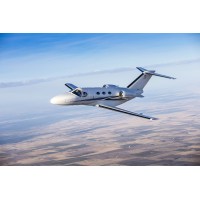
Cessna Citation Mustang
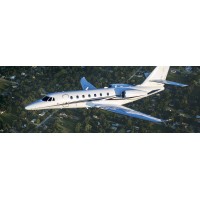
Cessna Citation Sovereign
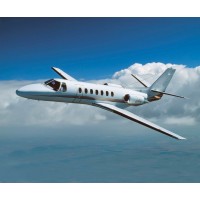
Cessna Citation Ultra
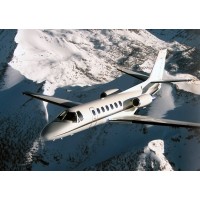
Cessna Citation V
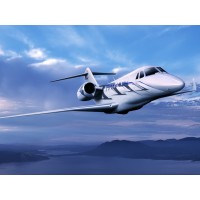
Cessna Citation VI
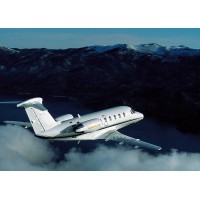
Cessna Citation VII
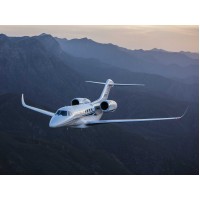
Cessna Citation X
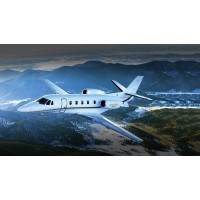
Cessna Citation XLS
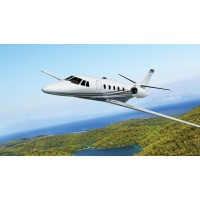
Cessna Citation XLS +

Cessna F406 Caravan II
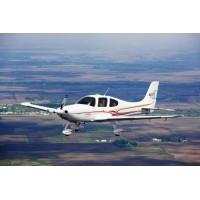
Cirrus SR-22
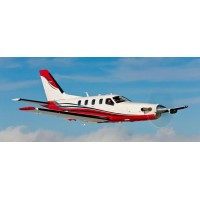
Daher Socata TBM 850
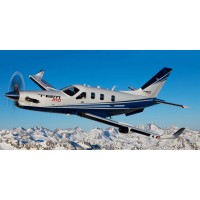
Daher Socata TBM 910
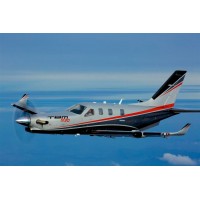
Daher Socata TBM 930
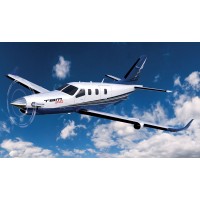
Daher Socata TBM 940
Dassault Falcon 10
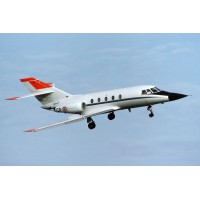
Dassault Falcon 20
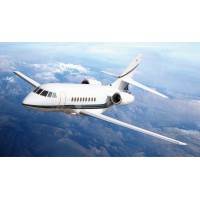
Dassault Falcon 2000
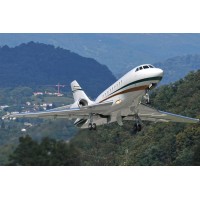
Dassault Falcon 2000 DX
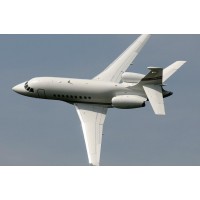
Dassault Falcon 2000 EX
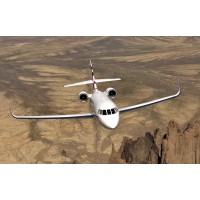
Dassault Falcon 2000 LX
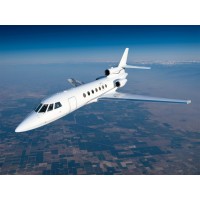
Dassault Falcon 50
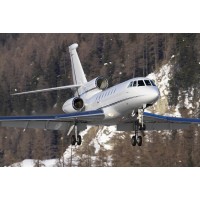
Dassault Falcon 50 EX
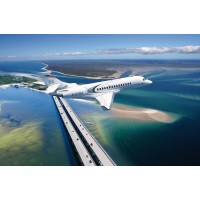
Dassault Falcon 6X
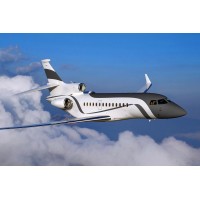
Dassault Falcon 7X
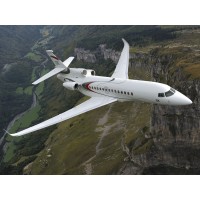
Dassault Falcon 8X
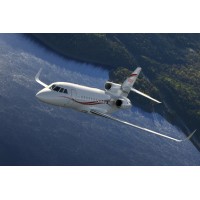
Dassault Falcon 900
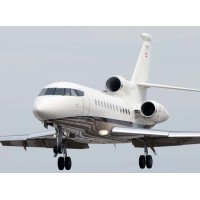
Dassault Falcon 900 DX
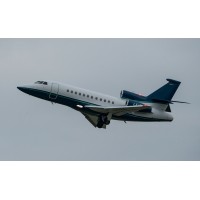
Dassault Falcon 900 EX
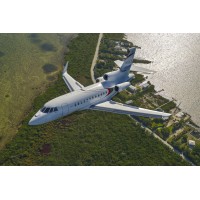
Dassault Falcon 900 LX
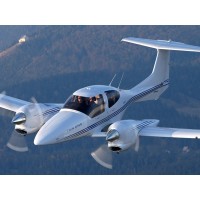
Diamond DA42 Twinstar
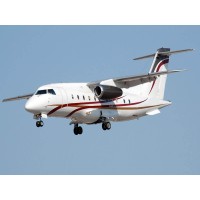
Dornier 328Jet
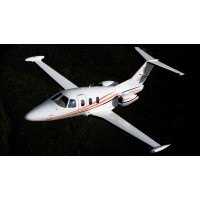
Eclipse 500
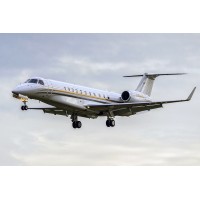
Embraer ERJ-135BJ Legacy
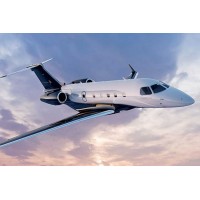
Embraer Legacy 450
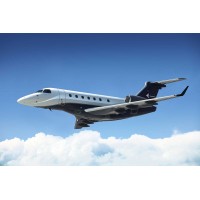
Embraer Legacy 500
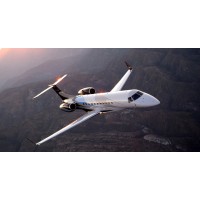
Embraer Legacy 600
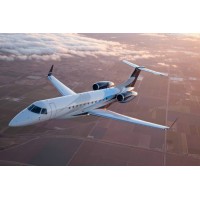
Embraer Legacy 650
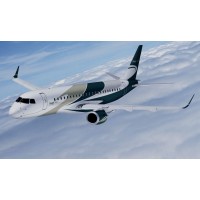
Embraer Lineage 1000
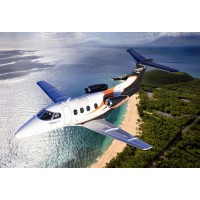
Embraer Phenom 100
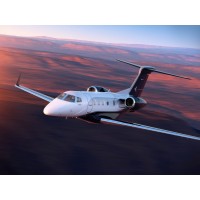
Embraer Phenom 300
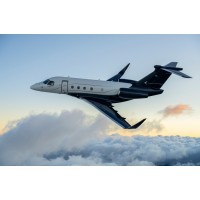
Embraer Praetor 500
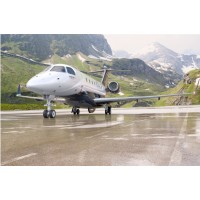
Embraer Praetor 600
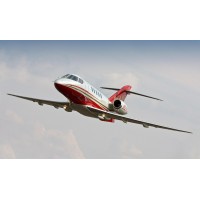
Emivest SJ30-2
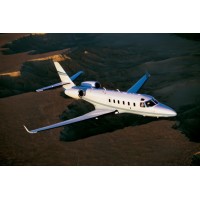
Gulfstream G100
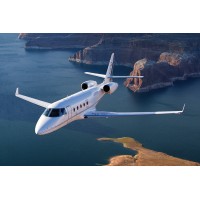
Gulfstream G150
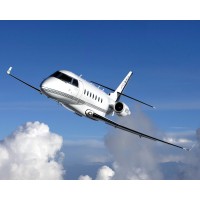
Gulfstream G200

Gulfstream G280
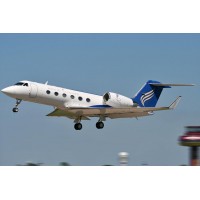
Gulfstream G300
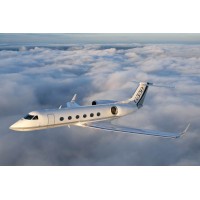
Gulfstream G350
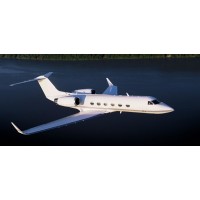
Gulfstream G400
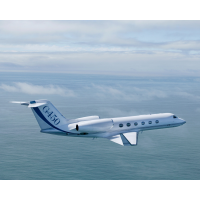
Gulfstream G450
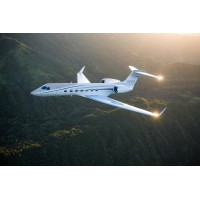
Gulfstream G550
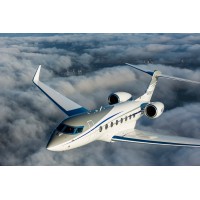
Gulfstream G650
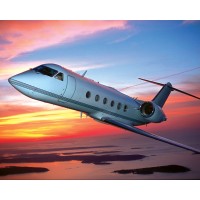
Gulfstream GIV
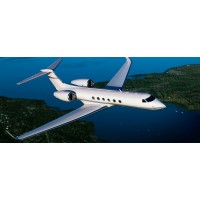
Gulfstream GV
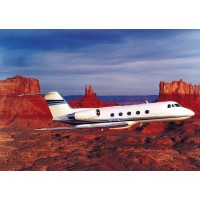
Gulfstream II

Gulfstream III
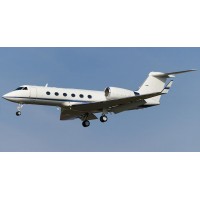
Gulfstream IISP
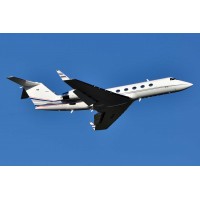
Gulfstream IVSP
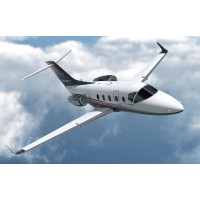
Hawker 400 / XP
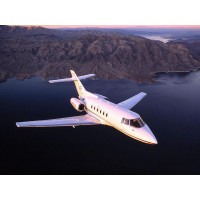
Hawker 800 B
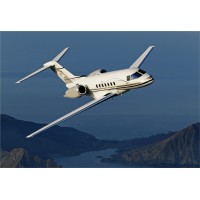
Hawker Horizon
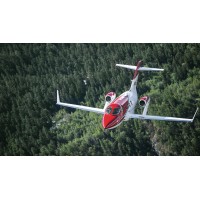
HondaJet HA-420
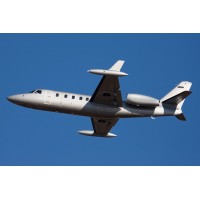
Israel IAI-1124 Westwind II
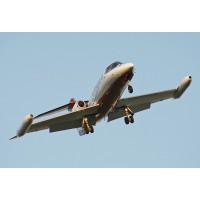
Learjet 25
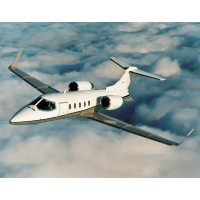
Learjet 31
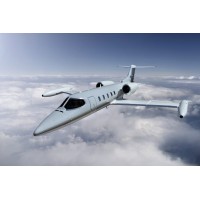
Learjet 35
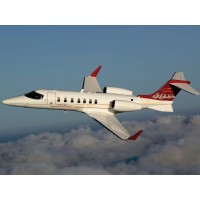
Learjet 40 / XR
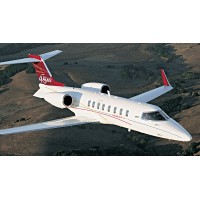
Learjet 45 / XR
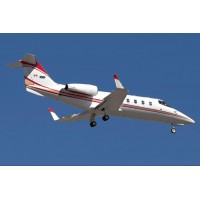
Learjet 55
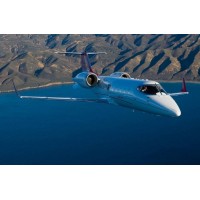
Learjet 60
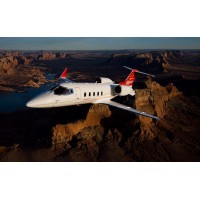
Learjet 60 / XR
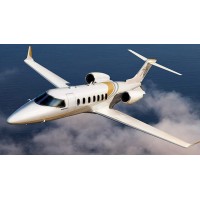
Learjet 70
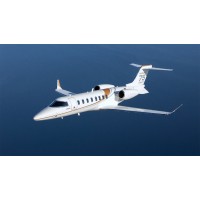
Learjet 75
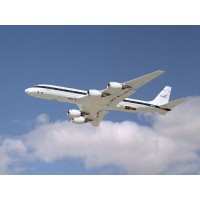
McDonnell Douglas DC-8-72
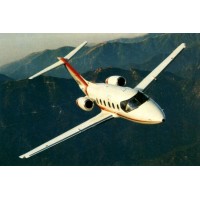
Mitsubishi MU-300
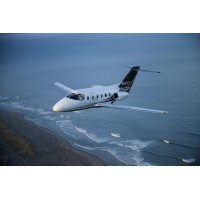
Nextan 400 XT
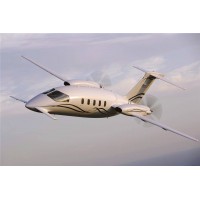
Piaggio Avanti P180 / II
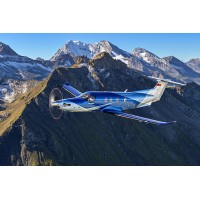
Pilatus PC-12
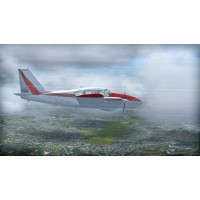
Piper Aztec
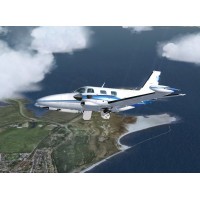
Piper Cheyenne
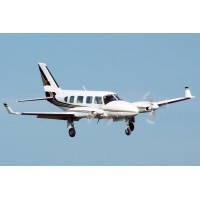
Piper Navajo
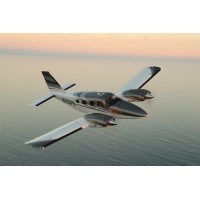
Piper PA34 Seneca
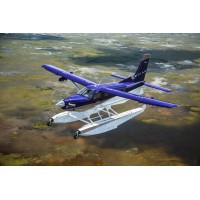
Quest Kodiak 100
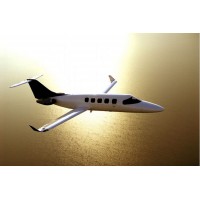
Spectrum 33
Which type of aircraft fits your mission?
The catalogue is organised by size and range capability. Each category has a distinct rate range, cabin specification and sector envelope. Understanding which type fits your group size and distance is the fastest way to the right selection.
Turboprops and piston twins: from £200/hr
Designed for short UK regional and European sectors under 1,000 nm, turboprops access grass strips, island runways and mountain airfields unavailable to jets. The Britten-Norman Islander serves the Barra beach strip in the Outer Hebrides; the Quest Kodiak 100 lands in under 700 feet. Capacity runs from 3 to 14. Pressurised variants (TBM 960, King Air 200 and 350) climb to 31,000 ft. Worth considering when the destination airfield is the defining constraint or when minimum rate per hour matters most.
Very Light Jets: from £1,500/hr
Carrying 4 to 6 on short European sectors at twin-turbofan speeds. The Eclipse 500 (2006 Collier Trophy) introduced the category; the Citation Mustang adds a small lavatory. Both reach 41,000 ft at 340-370 kt. Range is 1,000 to 1,300 nm, putting London to Edinburgh in under an hour and London to Nice in 90 minutes. For 2 to 4 people on short sectors where cost is the primary criterion, this is the entry point for jet travel.
Light jets: from £2,000/hr
The most popular category in UK private charter. The Embraer Phenom 300E has led global light jet delivery rankings for over ten consecutive years according to GAMA. The Citation CJ series and Learjet 70/75 seat 6 to 8, cruise at 400-453 kt and cover up to 2,000 nm. Full lavatory, stand-up or near-stand-up cabin, baggage for a complete business group. For groups of 4 to 8 on 1 to 4-hour sectors, London to Ibiza, London to Istanbul or Edinburgh to Madrid, this is typically the most cost-efficient aircraft size.
Midsize jets: from £3,000/hr
Full stand-up cabins for 7 to 9 with ranges of 2,000 to 3,400 nm. The Cessna Citation XLS+ has the shortest takeoff distance of any midsize at 3,560 ft, enabling London City Airport departures. The Embraer Praetor 500 is the longest-range midsize at 3,340 nm, covering London to Dubai non-stop. For groups of 6 to 9 where the light jet cabin is too small but full intercontinental range is not required.
Super-midsize jets: from £4,000/hr
Intercontinental range in a large-cabin-feel interior. The Bombardier Challenger 3500 introduces Nuage zero-gravity seats from the Global 7500, a 5,000 ft cabin altitude at FL410, voice control and haptic touch, all firsts in the category. The Embraer Praetor 600 is currently the only super-midsize capable of London to New York non-stop under standard NBAA IFR reserve conditions. Capacity runs to 9 to 12. For transatlantic and Gulf non-stop with flat-bed seats for all passengers.
Large-cabin and heavy jets: from £5,000/hr
Stand-up cabins of 12 to 15 metres with dedicated sleeping zones, two lavatories and professional galley service. The Gulfstream G550 (2003 Collier Trophy, 6,750 nm), Dassault Falcon 8X (6,450 nm) and Embraer Legacy 650 represent this category. For groups of 10 to 16 on transatlantic and intercontinental sectors where multiple zones, flat-bed seats for all and dual lavatories are specified.
Ultra-long-range jets: from £8,000/hr
7,000 to 8,000+ nm non-stop. London to Singapore, London to Los Angeles and Dubai to New York within standard operating envelope. The Bombardier Global 7500 (7,700 nm; four zones including full-size bedroom), Gulfstream G700 (7,500 nm), Dassault Falcon 6X (5,500 nm; cabin width of 2.58 m, among the widest in class) and Gulfstream G800 (8,000 nm). For 12 to 19 on sectors requiring 7+ hours at full cabin capacity.
VIP widebody airliners: from £12,000/hr
Commercial narrowbody fuselages converted to executive interiors, providing cabin dimensions unavailable in any purpose-built business jet. The Airbus A318 Elite offers 75 m² of floor space in a 21.68 m cabin, EASA steep-approach certified for London City. The Airbus A319 CJ covers 6,000 nm non-stop with 15 to 19 VIP passengers and serves as the official state transport for more than 15 heads of state. For groups requiring the widest available cabin at transatlantic range.

Charter rate guide from UK airports
All figures are indicative hourly rates in GBP for flights departing UK airports. Final pricing depends on sector distance, date and specific availability. All quotes from Private Jets UK are fully itemised with no hidden charges.
| Category | Typical models | Seats | From |
| Turboprop | King Air 200/350, TBM 960, Kodiak 100 | 3-14 | £200/hr |
| Very Light Jet | Eclipse 500, Citation Mustang | 4-6 | £1,500/hr |
| Light Jet | Phenom 300E, Citation CJ3, Learjet 75 | 6-8 | £2,000/hr |
| Midsize | Citation XLS+, Praetor 500, Hawker 900XP | 7-9 | £3,000/hr |
| Super-Midsize | Challenger 3500, Praetor 600, G280 | 9-12 | £4,000/hr |
| Large-Cabin / Heavy | G550, Falcon 8X, Legacy 650 | 10-16 | £5,000/hr |
| Ultra-Long-Range | Global 7500, G700, Falcon 6X, G800 | 12-19 | £8,000/hr |
| VIP Widebody | A318 Elite, A319 CJ | 15-19 | £12,000/hr |
For group charter of 20 to 40 people, the Dornier 328JET and Avro Business Jet (BAe 146) provide the appropriate specification from £3,000 to £8,000/hr. Empty leg flights reduce costs by 25 to 75% on repositioning routes; see current availability on our empty legs page.
How to book
- Tell us your requirements. Route, date, number of people and any specifics: London City departure, grass strip access, flat-bed seats. Contact us via WhatsApp +44 204 577-31-19 or flight@private-jets.co.uk
- Receive your options within 2 to 4 hours. We return 2 to 4 fully specified options with operator details, cabin configuration and all-in pricing.
- Confirm and pay. We issue the charter agreement and invoice. Bank transfer, card or approved credit facilities.
- We handle all logistics. Flight permits, landing slots, FBO handling, customs clearance, catering and crew briefing. Final confirmation 24 hours before departure.
- Arrive 15 to 30 minutes before departure. Private terminal, no queues, no shared lounges. Drive directly to the aircraft.
Frequently asked questions
How much does it cost to charter a private jet in the UK?
From approximately £200/hr for a light twin-engine turboprop to £20,000/hr for a VIP widebody. The most commonly booked types, light and midsize jets, run from £2,000 to £4,500/hr. London to Edinburgh costs from £2,000; London to Geneva from £3,500; London to New York from £28,000 depending on type and group size.
How quickly can I charter a jet?
For standard requests we confirm options within 2 to 4 hours. Departure can be as little as 4 hours after booking for jets already positioned at Farnborough, Luton, Oxford or London City. For specialised or remote aircraft, 24 to 48 hours provides the widest choice.
Which UK airports can private jets use?
Over 40 airports and airfields, including Farnborough (one of Europe's largest private aviation hubs), Luton, Oxford Kidlington, Biggin Hill, London City, Northolt, Southend, Birmingham, Manchester, Edinburgh, Glasgow, Aberdeen and Belfast City. London City requires steep-approach certification; the Citation XLS+, Challenger 3500 and A318 Elite are all certified. Turboprops including the King Air and Kodiak access short grass strips and island airfields.
What is an empty leg?
A repositioning flight where a jet flies without passengers after completing a booking. Empty legs are available at 25 to 75% below standard charter rates. Availability is unpredictable but we update our empty legs page continuously.
Can I take pets?
Yes. Most charters accept pets on board. For UK flights, pets require a valid pet passport, microchip registration and current rabies vaccination. We advise on destination-specific requirements at the time of booking.
How much luggage can I bring?
Light jets typically accommodate 5 to 8 soft bags. Midsize jets handle 8 to 12 suitcases. Large-cabin jets carry 20+. Golf clubs, skis, bicycles and instruments are arranged on request; let us know at enquiry stage so we can confirm hold capacity for the specific aircraft.